




 |
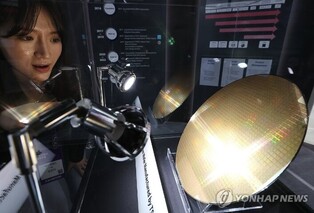
Photo courtesy of Yonhap News |
[Alpha Biz= Kim Jisun] U.S. pharmaceutical giant Eli Lilly and Company has decided to invest $500 million in South Korea’s pharmaceutical and biotechnology sector over the next five years, positioning the country as a strategic hub for global clinical trials and biotech startup development.
South Korea’s Ministry of Health and Welfare said Sunday it signed a memorandum of understanding (MOU) with the U.S. drugmaker to promote the development of the country’s pharmaceutical and bio industry and improve public health.
Under the agreement, Lilly will invest a total of $500 million (about 747 billion won) in South Korea starting this year while working with the government to strengthen the capabilities and competitiveness of the domestic pharmaceutical and biotech sector.
A key part of the initiative includes building Lilly Gateway Labs, an incubation platform designed to support Korean biotech startups and promote industry innovation. The partnership will also focus on attracting more global clinical trials to South Korea and creating a research environment that meets international standards.
The collaboration is expected to gradually expand to include additional initiatives, such as social contribution programs aimed at improving healthcare access for vulnerable populations.
Following the agreement, the ministry and Lilly plan to operate a joint working-level committee to advance cooperation in strengthening Korea’s pharmaceutical innovation ecosystem and expanding global clinical trial activity.
Health Minister Jung Eun-kyung said the partnership could serve as a meaningful opportunity to accelerate the development of innovative medicines by promising Korean biotech firms and enhance the global competitiveness of the country’s pharmaceutical industry.
Patrick Jonsson, executive vice president and president of international business at Eli Lilly and Company, said the company hopes to help South Korea grow into a global leader in the pharmaceutical and biotech industry while contributing to improved patient access to innovative medicines.
Lilly has seen strong global demand for its GLP-1–based obesity and diabetes treatments, including Zepbound and Mounjaro. The two drugs generated an estimated $35.8 billion in combined sales last year.
The company is also developing additional obesity therapies. According to global research analytics firm Clarivate, Lilly’s oral obesity drug Orforglipron and triple-action injectable therapy Retatrutide were included among the 11 “Drugs to Watch” for the year.
Earlier this month, the ministry also signed a separate investment MOU with Roche, under which the Swiss drugmaker plans to invest about 710 billion won in South Korea’s biohealth industry over the next five years.
Alphabiz Reporter Kim Jisun(stockmk2020@alphabiz.co.kr)