




 |
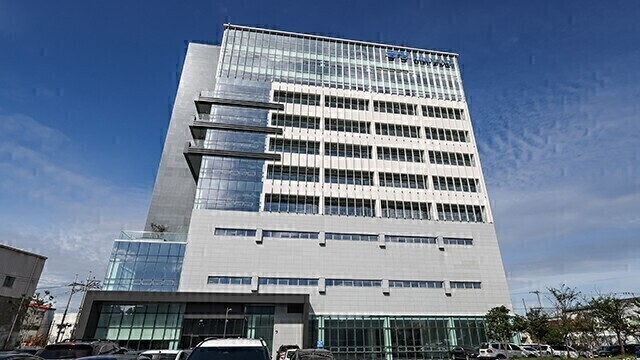
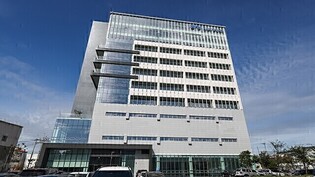
Headquarters of Kumyang. (Photo=Kumyang) |
[Alpha Biz= Paul Lee] SEOUL, April 9, 2026 — A total of 54 South Korean listed companies — including 12 on the KOSPI and 42 on the KOSDAQ — are facing potential delisting, largely due to audit opinion failures, according to the Korea Exchange.
On the KOSPI, companies such as Kumyang, STX, Hands Corporation, and others have been flagged for failing to meet audit opinion requirements, triggering delisting concerns.
Among them, Kumyang, KC Green Holdings, Bumyang Construction, and Samboo Construction have received substandard audit opinions for two consecutive years. These firms have been granted a remediation period until April 14, after which the exchange will determine whether to proceed with delisting. Meanwhile, Hanchang, which has failed to meet audit standards for three consecutive years, has already been subject to an immediate delisting decision and is currently under suspended liquidation trading.
For companies newly designated this year, they are allowed to file objections within 15 business days from notification to seek a grace period. Some firms have already submitted appeals, while others face upcoming deadlines in mid-to-late April.
On the KOSDAQ, 42 companies have been identified as facing delisting risks. Of these, 23 companies — including Dawonsys, MedicoX, and Engchem Life Sciences — were newly flagged this year due to audit opinion disclaimers or rejections.
Additionally, 11 firms have been designated for the second consecutive year, placing them under review for potential delisting within the year, while 8 companies have failed audit requirements for three consecutive years and are already subject to delisting procedures with trading suspended.
Beyond delisting risks, the exchange also designated a number of firms as “administrative issues” stocks for the 2025 fiscal year — eight on the KOSPI and 17 on the KOSDAQ — while removing such designations for others.
Separately, 43 KOSDAQ-listed companies were classified as “investment caution” stocks, a category applied to firms showing significant management instability, such as five consecutive years of operating losses, inadequate internal controls, allegations of embezzlement or breach of fiduciary duty, or sharply rising debt ratios.
Companies designated under administrative status face trading restrictions, including temporary trading suspensions and limitations on margin trading. Those classified as investment caution stocks may face tighter regulatory scrutiny, including restrictions on changes in control or third-party share issuances, as well as heightened risk of substantive listing eligibility reviews.
Market participants are closely monitoring the situation, as the large number of companies under review underscores growing concerns over corporate governance and financial transparency in segments of South Korea’s equity market.
Alphabiz Reporter Kim Jisun(stockmk2020@alphabiz.co.kr)















![[날씨] 전국 적신 봄비, 10일 금요일 오후면 끝! 11일과 12일 주말엔 완벽한 봄날씨 와요](/news/data/20260409/p1065606774755872_128_h2.jpg)
![[생활문화] "한국 오면 무조건 여기서 쇼핑하죠!"…외국인 큰손 덕분에 백화점 빅3 1분기](/news/data/20260409/p1065600538805228_373_h2.png)