




 |
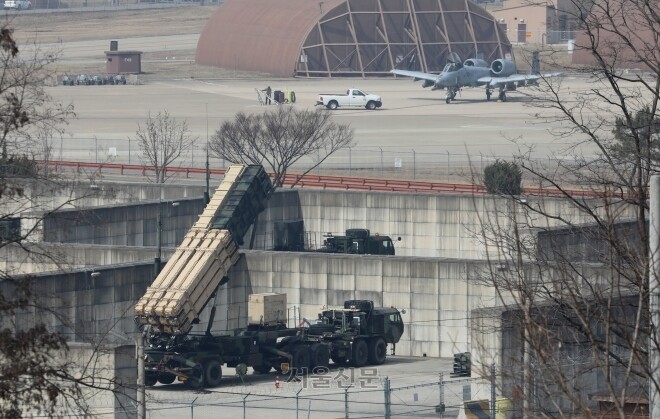
U.S. Air Force Base at Osan Air Base in South Korea. (Yonhap News Agency file photo) |
[Alpha Biz= Kim Jisun] Several large U.S. military transport aircraft previously identified at Osan Air Base in South Korea have recently departed the country, raising speculation that U.S. Forces Korea air defense assets may have been redeployed to the Middle East.
According to real-time flight tracking data on March 8, U.S. Air Force C-5 and C-17 transport aircraft that landed at Osan late last month have taken off in quick succession in recent days. Most of the aircraft were tracked heading toward a U.S. military base in Anchorage, Alaska.
The movement of the C-5 Galaxy, which is larger than the C-17, has drawn particular attention. At least two C-5 aircraft arrived at Osan in late February and departed on Feb. 28 and March 2, respectively. Their final destinations were not publicly specified, but flight durations exceeding 14 hours suggest they may have headed toward the U.S. mainland or the Middle East.
While C-17 aircraft regularly stop at Osan to transport U.S. troops and equipment, visits by the much larger C-5 transport aircraft are considered unusual.
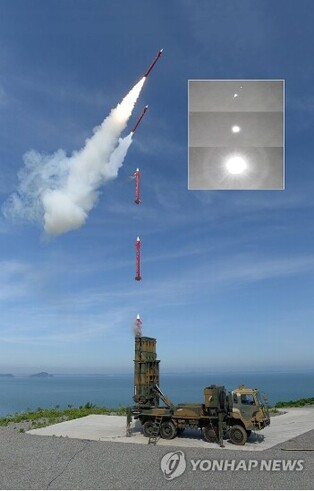
Earlier reports indicated that some Patriot air defense systems stationed at other U.S. bases in South Korea had been moved to Osan Air Base. This has led to speculation that some of the relocated Patriot batteries may already have been loaded onto C-5 aircraft and transported out of the country.
Between March 3 and March 7, several C-17 aircraft also departed Osan, with at least six confirmed to have flown to Anchorage.
However, the recent surge in activity at Osan could also be related to “Freedom Shield,” the annual joint South Korea–U.S. military exercise scheduled to begin on March 9, officials said.
Even if U.S. Forces Korea assets have not yet been redeployed, analysts say a prolonged conflict with Iran could eventually lead to the transfer of air defense assets from the Korean Peninsula.
In June of last year, two Patriot batteries stationed in South Korea were temporarily deployed to the Middle East as part of Operation Midnight Hammer, which targeted Iranian nuclear facilities, before returning in October.
Some observers have also raised concerns that any redeployment of U.S. forces from South Korea could affect readiness against potential North Korean threats.
Both South Korean and U.S. military authorities declined to confirm details regarding the movement or redeployment of U.S. Forces Korea assets, but stressed that defense readiness remains fully maintained.
Alphabiz Reporter Kim Jisun(stockmk2020@alphabiz.co.kr)