




 |
Photo courtesy of Yonhap News |
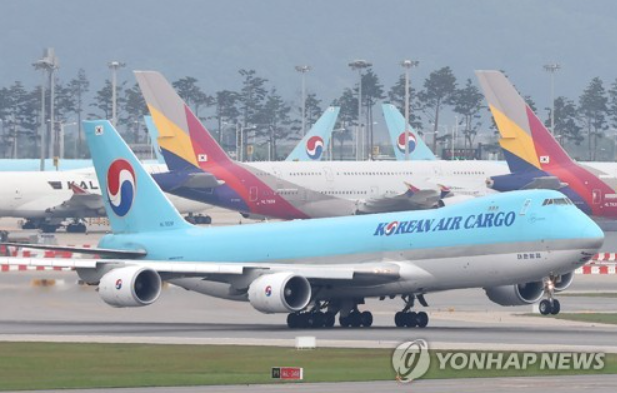
[Alpha Biz= Kim Jisun] As Korean Air and Asiana Airlines prepare for their integration under a “one team” strategy, tensions between employees of the two carriers are reportedly intensifying on the ground, highlighting the challenges of internal consolidation.
Cabin crew from both airlines have effectively begun working as a single organization since January, sharing pre-flight briefing rooms, while Asiana Airlines has also completed its relocation to Incheon International Airport’s Terminal 2. Despite this physical integration, however, internal cohesion has proven difficult to achieve.
Tensions have drawn further attention following an online post by an individual identifying as an Asiana Airlines pilot, which used extreme language and is now under police investigation. The incident reportedly triggered exchanges of mutual criticism and hostile expressions among some employees of both airlines, further heightening internal strain.
While headquarters-level management has sought to ease tensions through joint events and expanded employee exchanges, industry insiders note that the root causes go beyond emotional friction. A key source of dissatisfaction lies in confusion over employee identification numbers and seniority systems.
In airline crew organizations, roles and responsibilities are strictly determined by seniority and rank. During the merger process, the two airlines agreed to retain their existing employee ID systems, a decision that has reportedly led to cases where seniority rankings are reversed despite identical hiring years, fueling discontent among staff.
Asiana Airlines employees, including pilots and cabin crew, have expressed particular concern that alignment with Korean Air’s standards could permanently disadvantage them in route assignments and promotion opportunities if their relative seniority is pushed down following the merger.
Alphabiz Reporter Kim Jisun(stockmk2020@alphabiz.co.kr)