




 |
Photo courtesy of Yonhap News |
[Alpha Biz= Kim Young Taek] Critics warn ruling undermines market integrity, citing lack of “smoking gun” despite strong circumstantial evidence
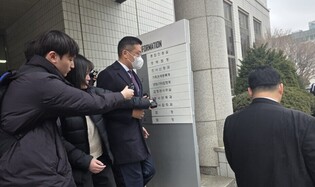
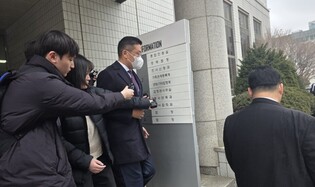
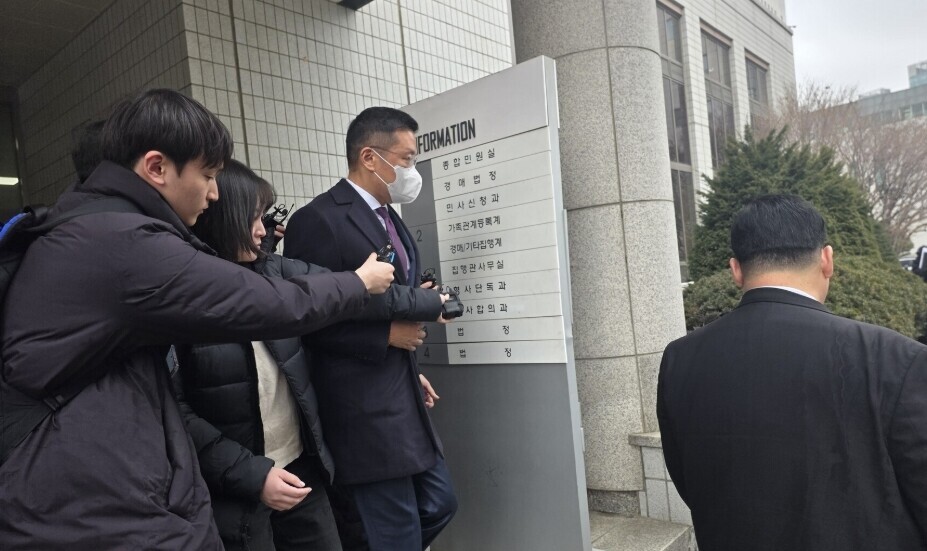
Despite an extensive investigation by financial regulators and prosecutors, Gu Yeon-kyung, head of the LG Welfare Foundation and daughter of the LG family, and her husband Yoon Kwan, CEO of BlueRun Ventures (BRV), were acquitted at the first trial on charges of insider trading.
The ruling has triggered strong criticism from legal and financial circles, with observers arguing that the court effectively granted an “unreasonable pass” by focusing solely on the absence of direct evidence.
Prosecutors: “Clear Circumstances, But Court Demanded a Smoking Gun”
Gu was accused of purchasing 35,990 shares of Megazone (worth approximately KRW 650 million) in April 2023 after allegedly receiving undisclosed material information from her husband that the KOSDAQ-listed biotech firm would raise KRW 50 billion through a rights offering.
 |
Photo courtesy of Yonhap News |
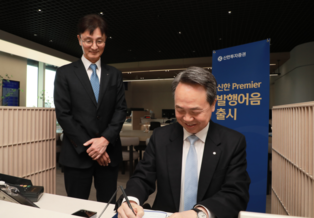
Prosecutors alleged that Yoon, as chief investment officer of BRV, had access to inside information on Megazone and passed it on to his wife, enabling her to reap illicit gains. Authorities estimated the couple earned more than KRW 100 million in unfair profits by buying shares shortly before the public announcement.
A key point emphasized by prosecutors was that the timing of the information leak precisely matched the timing of the stock purchases. Nevertheless, the court ruled that there was insufficient proof that the information had been directly conveyed, and acquitted both defendants.
Prosecutors and market experts criticized the decision, arguing that such cases rarely involve explicit evidence like recordings or documents. They pointed out that it is a classic insider-trading pattern for an investor with no prior interest in a stock to suddenly make a large purchase just before positive news is disclosed.
They also highlighted that Gu’s investments since March 2023—including stakes in Korea Zinc, Hankook Tire & Technology, and Hankook & Company—overlapped with companies invested in by BRV Capital and Daol E&C, firms effectively controlled or influenced by Yoon. Investigators concluded that Gu, who had limited investment experience, relied heavily on her husband’s judgment when selecting stocks.
Cho Ho-jin, CEO of Tachyon World, commented, “Insider trading cases are inherently difficult to prove because conversations are secret and digital records are often deleted. Ignoring this reality and applying a mechanical standard effectively ties the hands of investigators.”
 |
Photo courtesy of Yonhap News |
“Only Retail Investors Pay the Price” — Fears for Market Trust
Legal experts warn the ruling could set a troubling precedent. Attorney Jeon Dae-gyu said, “If courts acquit defendants simply because there is no direct recording or document despite overwhelming circumstantial evidence, it sends a dangerous message that insider trading is acceptable as long as it is done carefully.”
While the court cited the principle of “when in doubt, rule in favor of the defendant,” many retail investors have reacted with frustration, describing the outcome as another example of “the rich and well-connected being immune from punishment.”
Prosecutors believe the court underestimated the unique nature of insider trading crimes and interpreted the legal requirements too narrowly.
Jeong Eui-jeong, head of the Korea Stock Investors Association, said, “This case, involving a member of a powerful conglomerate family, goes beyond individual misconduct. It is a litmus test for the transparency of Korea’s capital markets. The backlash against the first ruling reflects widespread concern that the decision runs counter to market fairness.”
Alphabiz 김영택 기자(sitory0103@alphabiz.co.kr)