




 |
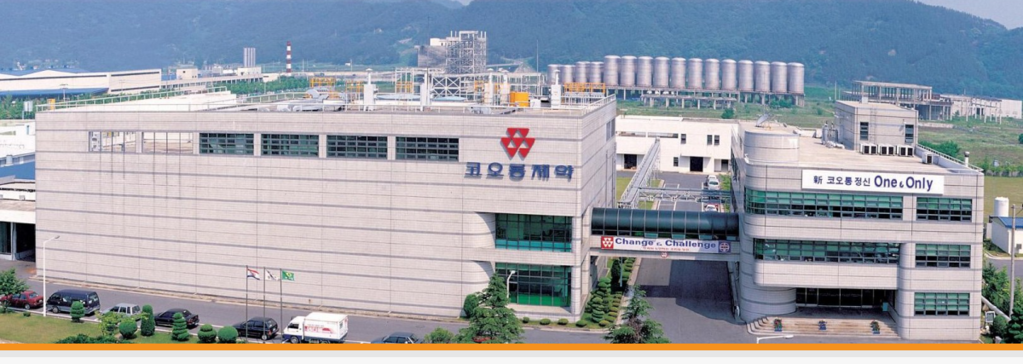
Kolon Pharma headquarters. (Photo: Kolon Pharma) |
[Alpha Biz= Paul Lee] Opposition to South Korea’s proposed drug price reform is expanding beyond domestic pharmaceutical companies to include foreign pharmaceutical company unions operating in the country. Ahead of the Health Insurance Policy Committee’s (HIPC) final vote expected at the end of February, labor organizations representing multinational pharmaceutical firms are joining efforts to pressure the government.
On January 29, the Korean Democratic Pharmaceutical Workers’ Union (KMPWU), which includes many employees from foreign pharmaceutical companies, announced its formal opposition to the government’s reform plan and plans to stage collective action. The union intends to hold a picket outside the International Electronics Center in Seoul, where the HIPC meeting will take place, highlighting the negative impact of price reductions on the pharmaceutical industry and employment.
KMPWU, affiliated with the Korean Federation of Chemical Workers’ Unions (KFCWU), primarily represents sales teams from multinational firms such as Allergan, Takeda, Mundipharma, and AbbVie, with only Kolon Pharma representing a domestic company. Despite this composition, the union’s active involvement underscores that the drug price reform debate is no longer limited to the interests of domestic companies.
On January 26, KMPWU facilitated meetings between the Korea Pharmaceutical & Bio-Pharma Association and labor representatives, acting as a bridge to coordinate industry-wide and labor responses.
Previously, opposition to the reform had been driven mainly by domestic companies represented by the Korea Pharmaceutical & Bio-Pharma Association and the KFCWU’s pharmaceutical and cosmetics division. The Ministry of Health and Welfare has maintained plans to reduce drug prices from the previous average of 53% to approximately 40%, despite ongoing industry objections.
The Association has conducted policy analyses, including a CEO survey examining the potential impact of price cuts on company operations, revealing concerns about revenue losses, reduced R&D investment, discontinuation of essential drug production, and workforce reductions.
With the HIPC vote approaching at the end of February, the debate has evolved from a domestic generic-focused issue to a broader concern affecting the overall pharmaceutical industry and labor security. The Association is working closely with the Korean Federation of Trade Unions to emphasize potential employment risks as a central concern.
Labor groups, particularly the KFCWU’s pharmaceutical unions, plan to hold public hearings to assess the impact of drug price cuts on industry-wide employment and formally request government policy reconsideration.
Alphabiz Reporter Paul Lee(hoondork1977@alphabiz.co.kr)