




 |
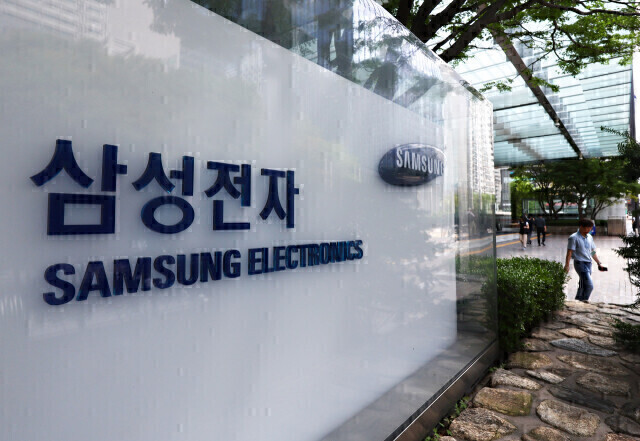
Photo courtesy of Samsung Electronics |
[Alpha Biz= Kim Jisun] SEOUL, Dec. 9 — Samsung Electronics is accelerating efforts to commercialize next-generation glass substrates, a breakthrough technology poised to become essential in the artificial intelligence (AI) era. Compared to conventional plastic substrates, glass substrates significantly boost data transmission speeds while improving power efficiency by up to 30%, making them a key enabler for high-performance AI computing.
According to industry sources, Samsung recently acquired a stake in JWMT — formerly Jungwoo M Tech — through its investment arm Samsung Venture Investment Corporation (SVIC). Founded in 2002, JWMT is considered a leading player in advanced glass substrate manufacturing. The core challenge in producing glass substrates is drilling tens of thousands of microscopic holes into fragile glass and enabling electrical conductivity.
JWMT has developed a unique technology called LMCE, which alters the physical properties of glass using a laser before selectively dissolving targeted areas with chemical agents, rather than drilling directly. The company also offers turnkey capabilities that include plating processes. JWMT has been a key partner to Samsung Electro-Mechanics from the early stages of establishing its glass substrate pilot line at its Sejong plant. Samsung Electronics, in parallel, is researching optimal placement of AI semiconductors on glass substrates produced by Samsung Electro-Mechanics.
Samsung’s aggressive move into glass substrates reflects expectations that commercialization will accelerate amid surging demand for AI semiconductors. Glass substrates offer superior heat resistance, rigidity, and a smoother surface than plastic alternatives, making them ideal for constructing ultra-fine circuits. They also dramatically improve data transfer speeds and enhance energy efficiency by more than 30%, making them particularly well-suited for AI chips that generate substantial heat.
Throughout this year, Samsung has been collaborating with materials, parts, and equipment suppliers to advance packaging services utilizing glass substrates. Samsung Electro-Mechanics aims to begin mass production as early as the second half of next year at its Sejong facility, while Samsung Electronics is working toward replacing conventional silicon interposers with glass interposers by 2028 as part of its long-term commercialization roadmap.
Global competition surrounding glass substrate commercialization is also intensifying. The current frontrunner is Absolics, a subsidiary of SKC, which is conducting quality testing on products destined for AMD at its plant under construction in Georgia, United States. Japanese companies including Ibiden and Dai Nippon Printing (DNP) are also accelerating development. According to MarketsandMarkets, the global glass substrate market — valued at USD 7.1 billion in 2023 — is expected to grow to USD 8.4 billion by 2028.
Alphabiz Reporter Kim Jisun(stockmk2020@alphabiz.co.kr)