




 |
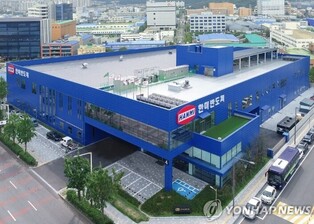
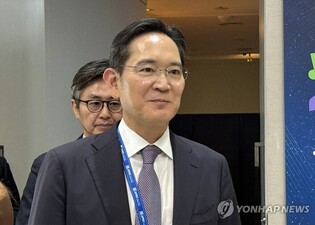
Kyobo Life Insurance. (Photo courtesy of Kyobo Life Insurance) |
[Alpha Biz= Paul Lee] A South Korean court has confirmed the validity of a penalty order imposed on Shin Chang-jae, chairman of Kyobo Life Insurance, for failing to effectively carry out an external valuation process required to determine a put option price. Attention in legal and investment banking circles is now turning to the pending third ruling in an international arbitration case, where hearings have already concluded.
According to investment banking sources on Tuesday, the Seoul High Court on March 23 partially accepted appeals filed by IMM Private Equity and EQT, overturning a lower court decision.
While the court of first instance had sided with Shin’s argument that the International Chamber of Commerce (ICC) arbitral tribunal lacked authority to impose indirect enforcement penalties, the appellate court ruled that the tribunal did have such authority and that the penalty order was valid. The court also ordered Shin to bear two-thirds of the litigation costs.
The ruling is the latest development in a long-running arbitration dispute. In its first arbitration award in 2021, the International Chamber of Commerce (ICC) tribunal found that the shareholders’ agreement remained valid and that Shin was obligated to conduct a fair market value (FMV) assessment. In a second arbitration award issued in December 2024, the tribunal ordered Shin to appoint an external valuation firm and submit an evaluation report, imposing an indirect enforcement penalty of USD 200,000 per day in the event of non-compliance.
Shin appointed EY Hanyoung in January 2025, but the firm resigned in April the same year citing conflicts of interest, effectively halting the valuation process once again. Other Big Four accounting firms, including PwC Samil and KPMG Samjong, are also reported to have declined involvement.
Hearings for the third arbitration concluded in December last year, and a ruling is now pending. Market observers note that if the tribunal once again orders indirect enforcement penalties in the third award, Shin may ultimately be required to pay substantial penalty amounts.
Alphabiz Reporter Paul Lee(hoondork1977@alphabiz.co.kr)