




 |
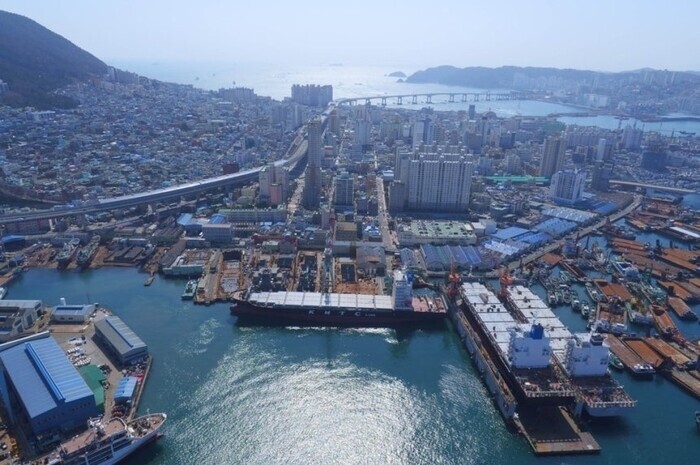
Daesun Shipbuilding, Yeongdo Shipyard (Photo: Daesun Shipbuilding) |
[Alpha Biz= Kim Jisun] The U.S. Congress on the 17th (local time) passed the National Defense Authorization Act (NDAA) for next year, with provisions promoting cooperation with allies such as South Korea and Japan to strengthen U.S. naval capabilities removed. The provisions, included in the version passed by the Senate in October, were already omitted by the House on December 10, and the final bill passed by the Senate also excluded them. This has raised concerns that South Korea’s MASGA (Make American Shipbuilding Great Again) project may lose momentum.
The NDAA passed the Senate with 77 votes in favor and 20 against. During reconciliation with the House, the final version differed from the earlier Senate version. The previous draft had required the Navy to establish two private shipyards on the Pacific coast and explicitly gave preferential consideration to companies based in South Korea and Japan, assessing foreign shipbuilders’ U.S. subsidiaries and investments. It also called for the study of potential joint production of non-nuclear auxiliary ships with foreign governments and industries, leveraging South Korean and Japanese shipbuilding expertise to revive U.S. shipbuilding.
In the final version, such provisions were removed. The law now focuses on optimizing existing public shipyard infrastructure and expanding U.S. naval repair facilities, without references to utilizing the capabilities of South Korean or Japanese shipbuilders. Reports indicate that the House removed the provisions due to concerns from U.S. shipyard unions, and the Senate agreed to the modifications. While the Trump administration supports allied cooperation to enhance naval capabilities amid China’s growing influence, Congress appears cautious about any measures that might threaten U.S. jobs.
The NDAA also maintains a ban on constructing U.S. military ships overseas. Although a recent Korea-U.S. tariff and security fact sheet raised expectations for constructing U.S. ships in South Korea, the law permits only up to two non-combat support vessels for missile defense testing to be built abroad.
Additionally, the NDAA includes a provision preventing the U.S. administration from unilaterally reducing the current 28,500 troops stationed in South Korea. This clause, reintroduced after five years, acts as a congressional safeguard amid uncertainties under the Trump administration regarding U.S. troop reductions, reflecting the continued strategic importance of the U.S.-South Korea alliance.
Once signed by President Trump, the NDAA will take effect. As an annual legislation, the NDAA authorizes the Department of Defense’s policies and budget for the upcoming year.
Alphabiz Reporter Kim Jisun(stockmk2020@alphabiz.co.kr)