




 |
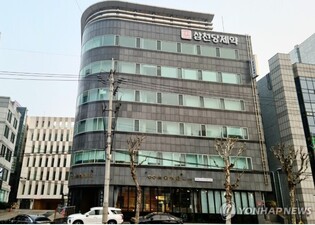
Yeocheon NCC Yeosu No.2 Complex. (Photo = Yeocheon NCC) |
[Alpha Biz= Paul Lee] South Korea’s government-led restructuring of the petrochemical industry is expected to be delayed, as key companies have yet to finalize their restructuring plans despite an initial end-of-quarter deadline.
According to industry sources on March 31, major petrochemical clusters in Ulsan—home to companies such as S-Oil, SK Geo Centric, and Korea Petrochemical Ind. Co.—and in Yeosu—including LG Chem and GS Caltex—are still negotiating restructuring measures. Although the government had effectively set March 31 as the deadline, disagreements over ownership structures, production cuts, and corporate valuations have stalled progress.
Since August last year, the government has encouraged voluntary restructuring under a plan to enhance competitiveness in the petrochemical sector. The strategy includes reducing domestic naphtha cracking center (NCC) capacity by up to 3.7 million tons—about 25% of total output—and shifting toward higher value-added chemical products to address structural oversupply.
Some progress has been made. The Daesan petrochemical complex submitted its restructuring plan earlier, prompting the government to pledge support worth KRW 2.1 trillion. In Yeosu, a separate consortium has also submitted a plan and is awaiting approval.
However, negotiations in Ulsan remain particularly complex. Companies are divided over how to allocate production cuts, especially with S-Oil preparing to launch its large-scale “Shaheen Project,” which is expected to add 1.8 million tons of annual ethylene capacity. Meeting the government’s reduction targets would require cutting more than 1 million tons in the region, placing pressure on older facilities operated by rivals.
In Yeosu, restructuring talks have also stalled. A proposal by LG Chem to sell part of its NCC assets to GS Caltex and form a joint venture has seen little progress due to conflicting interests. Regulatory constraints under Korea’s Fair Trade Act—along with the need for approval from Chevron, a key stakeholder—further complicate negotiations.
Despite missing the government’s deadline, companies maintain that discussions are ongoing. However, frustration is mounting within the industry, with concerns growing that firms delaying participation may ultimately benefit from competitors’ production cuts without making sacrifices themselves.
Alphabiz Reporter Paul Lee(hoondork1977@alphabiz.co.kr)