




 |
Photo courtesy of Yonhap News |
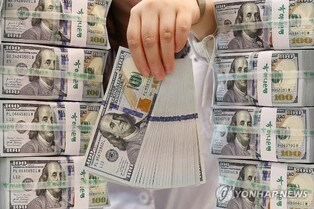
[Alpha Biz= Paul Lee] The Korean won weakened to its highest level against the U.S. dollar since the global financial crisis, driven by a strong dollar amid expectations of U.S. rate hikes and geopolitical uncertainty in the Middle East.
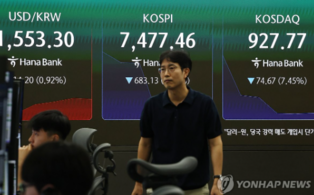
On June 8, the won-dollar exchange rate opened at 1,555.2 per dollar in the Seoul foreign exchange market, up 16.1 won from the previous session’s close of 1,539.1. This marked the highest opening level since March 6, 2009.
The exchange rate later reversed course in the afternoon, falling to close at 1,535.0, influenced by verbal intervention from authorities.
In offshore trading, where global sentiment plays a larger role, the won showed even greater volatility. After closing at 1,539.1 in daytime trading on June 5, the rate climbed to 1,559.0 in night trading and briefly surged to 1,561.5—its highest level since March 2009.
The recent depreciation of the won has been largely attributed to broad U.S. dollar strength, fueled by expectations of further interest rate hikes and lingering uncertainty over U.S.-Iran tensions. The U.S. dollar index rose to around 100.110, reflecting the greenback’s strength against major currencies.
The won has been among the weakest major currencies this month, declining 3.48% against the dollar in just one week—second only to Russia among major economies.
Stronger-than-expected U.S. economic data, including May nonfarm payrolls of 172,000, have reinforced expectations of continued monetary tightening, further supporting the dollar.
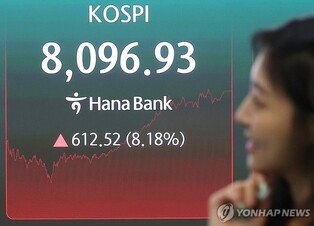
Foreign investor outflows from South Korea’s stock market have also added pressure on the currency. Overseas investors have net sold nearly 120 trillion won worth of domestic equities this year, including more than 44 trillion won in May alone.
Market participants note that continued foreign selling could limit any near-term appreciation of the won. However, authorities maintain that, unlike during past crises, South Korea’s external fundamentals and foreign currency liquidity remain sound despite the elevated exchange rate.
Alphabiz Reporter Paul Lee(hoondork1977@alphabiz.co.kr)