




 |
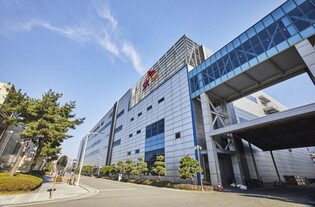
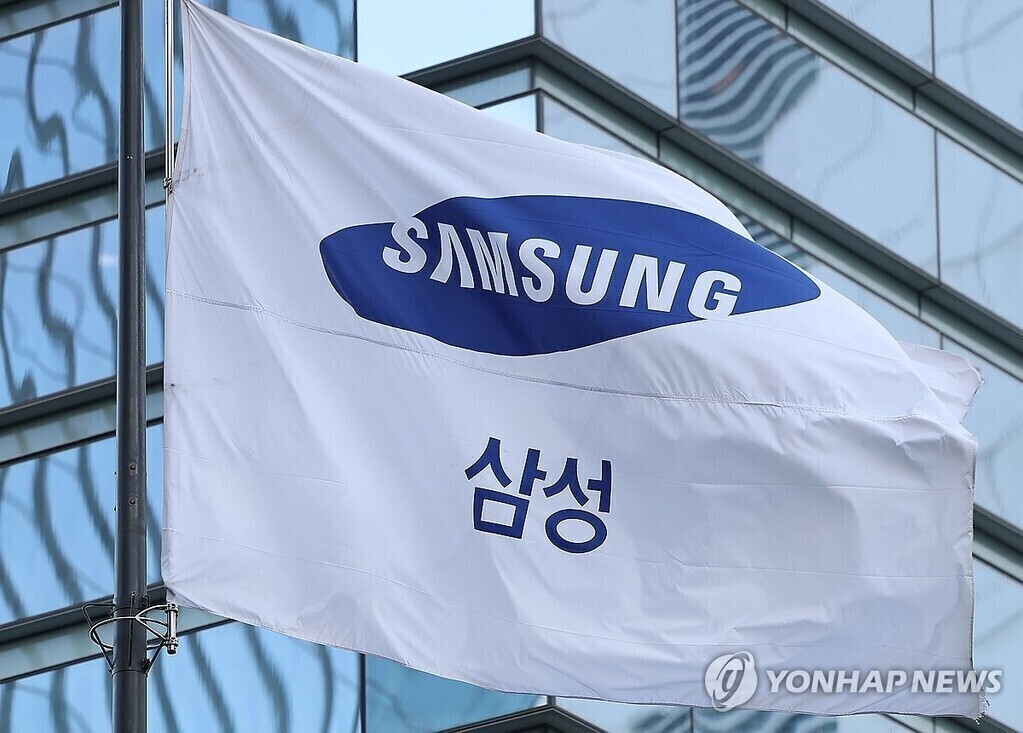
Samsung Electronics Co., Ltd. (Photo courtesy of Yonhap News Agency). |
[Alpha Biz= Paul Lee] A series of follow-up lawsuits has been filed after South Korea’s Supreme Court ruled that Samsung Electronics’ “target incentives” should be included in the calculation of average wages used to determine severance pay.
According to legal sources on Tuesday, 40 former Samsung Electronics employees filed a lawsuit on February 13 with the Seoul Central District Court, seeking unpaid severance pay related to management performance bonuses. Earlier, on February 4, 22 other retirees had filed a similar lawsuit against the company.
On January 29, the Supreme Court ruled that Samsung Electronics’ target incentives constitute wages and therefore must be reflected in severance pay calculations, as they should be included in average wages. The ruling overturned lower court decisions that had found both target incentives and performance incentives to be outside the scope of wages, arguing that they were not compensation for labor or were not closely related to work performance.
The Supreme Court held that target incentives are paid based on pre-established criteria and are provided on a continuous and regular basis as compensation for labor, giving them the character of wages that should be included in average wages. “The payment criteria for target incentives are clearly stipulated in employment regulations,” the court said, adding that they are “directly or closely related to the provision of labor and therefore qualify as wages.”
However, the court ruled that performance incentives should not be included in average wages, noting that payout rates vary widely—from 0% to as much as 50% of annual salary—and depend largely on factors beyond employees’ control.
In contrast, on February 12, the Supreme Court dismissed an appeal filed by two former SK hynix employees seeking severance pay, upholding a lower court ruling in favor of the company. The court cited the absence of explicit provisions in collective bargaining agreements or other formal arrangements obligating the company to pay such incentives.
Legal experts expect additional lawsuits from employees at companies with incentive structures similar to target incentives. Observers also predict intensified labor-management disputes over the criteria and methods used to determine performance-based compensation, which vary significantly by company.
Alphabiz Reporter Paul Lee(hoondork1977@alphabiz.co.kr)